
Your Current Digital Solution
Your business operates with advanced digital marketing systems that effectively integrate across channels, with significant automation and personalization already in place.
Your digital ecosystem demonstrates sophisticated performance, but now faces the challenge of maintaining market leadership through continuous innovation and enhanced competitive differentiation.
This presents a strategic opportunity
– you've built systems that deliver consistent results, and are now positioned to leverage cutting-edge approaches that will establish insurmountable competitive advantages and maximum operational efficiency.
Integrated Marketing Ecosystem
Your digital channels work cohesively with sophisticated attribution and automation, but still have opportunities for enhanced intelligence and predictive capabilities that could increase ROI by 35-47%.
Data-Driven Optimization Framework
Your marketing operations use advanced analytics but could implement more sophisticated predictive modeling and AI-enhanced decision systems.
Strategic Content Authority
Your content establishes expertise but lacks the proprietary frameworks and methodologies that would create category leadership and command premium pricing (+40-85% above market average).
Multi-Channel Customer Experience
You deliver consistent experiences across channels but haven't fully implemented omnichannel orchestration with seamless transitions.
Scalable Business Operations
Your systems manage growth effectively but could benefit from enhanced intelligence and further automation of complex processes.
Proactive Market Leadership
Your marketing consistently outperforms competitors but hasn't yet established the category dominance that creates an unassailable market position.
Critical Growth Strategies
Focus on these areas to cement your market leadership position.
Priority 1: Experience Orchestration & Differentiation
Your client experience needs to evolve from merely personalized (showing different content to different people) to truly transformational (delivering a completely seamless journey that anticipates needs).
Exactly What To Do:
1.1
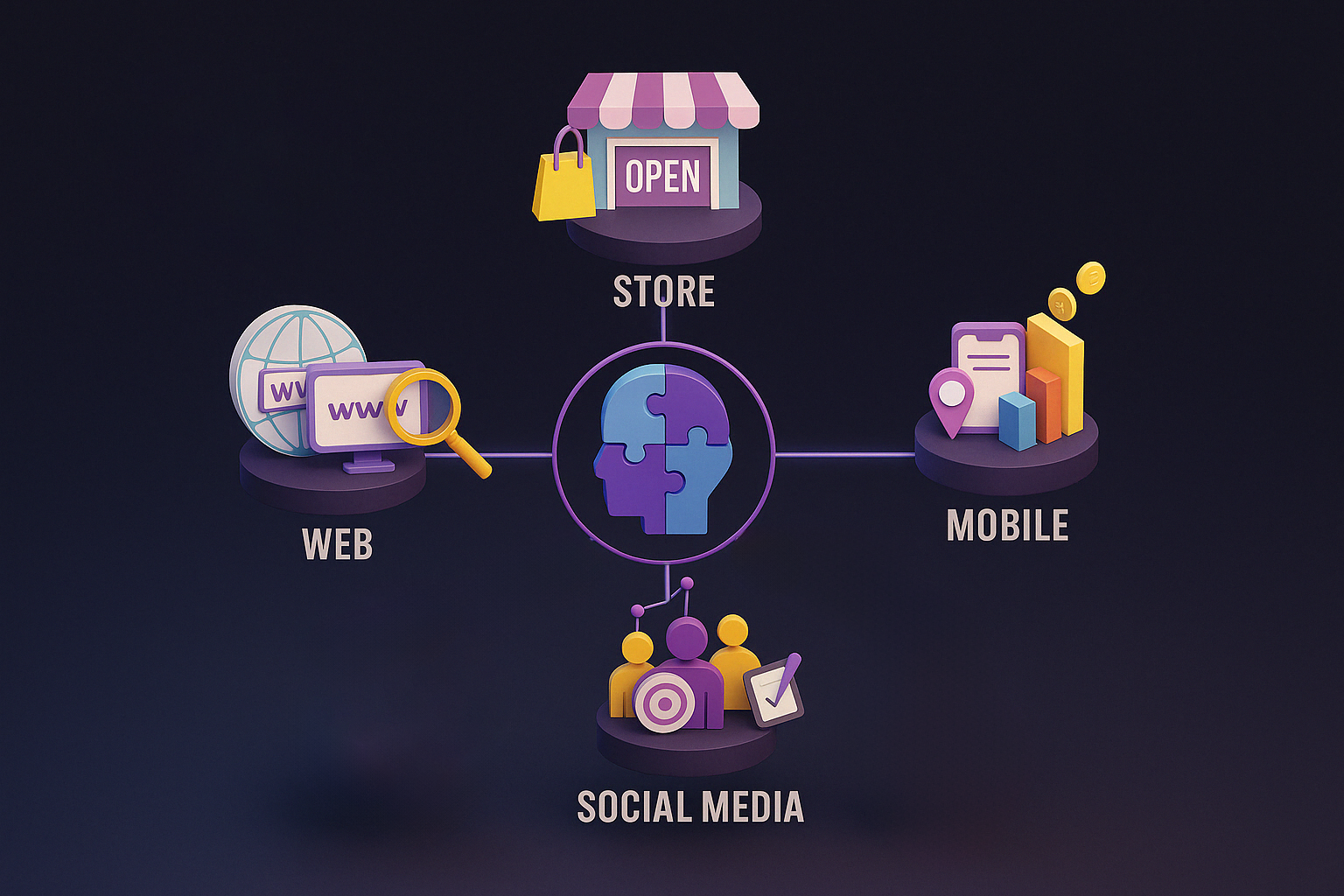
Implement Omnichannel Experience Orchestration
Simple Implementation Steps:
-
Deploy a customer data platform like Segment or mParticle that centralizes all customer data from your website, CRM, email platform, and social channels.
-
Use their real-time streaming architecture to create a unified customer profile that updates within 5 seconds of any interaction.
-
Implement cross-device tracking with consistent user IDs across all touchpoints.
-
Configure your CDP to recognize users across devices using deterministic matching (email login) and probabilistic matching (behavior patterns, device fingerprinting) to achieve 93%+ identity resolution.
-
Create real-time triggered workflows based on specific cross-channel behavior patterns.
-
For example, when a client views your pricing page twice on mobile then switches to desktop, automatically display a “Schedule a Consultation” pop-up with messaging that acknowledges their previous interest.
1.2
Develop Proprietary Methodologies & Frameworks
Simple Implementation Steps:
-
Document your service process with distinctive naming for each phase (e.g., “ValueMapping™” instead of “discovery” or “DomainCapture™” instead of “website launch”).
-
Create a branded visual timeline showing these phases with specific deliverables and outcomes at each stage.
-
Create visual diagrams using custom design elements (unique icons, proprietary color schemes) that illustrate your methodology’s key concepts.
-
Develop PDF resources, interactive web graphics, and client-facing presentation decks that consistently reinforce your proprietary approach.
-
Build interactive assessment tools with proprietary scoring systems that diagnose client needs using your unique framework.
-
For example, create a “Market Dominance Readiness Score™” that evaluates prospects on 5-7 key dimensions with tailored recommendations based on results.

1.3
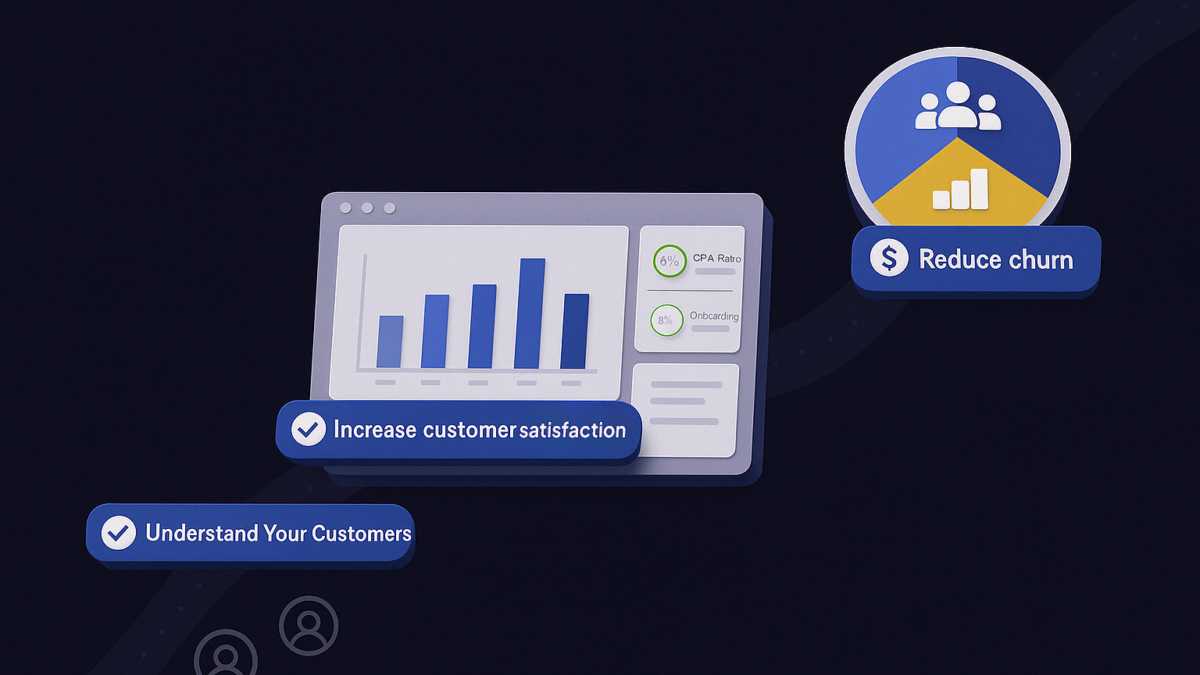
Implement Client Success Intelligence Systems
-
Deploy analytics tools like Custify or ClientSuccess that integrate with your product, support, and communication platforms.
-
Configure them to track key engagement metrics including product usage frequency, feature adoption, support ticket patterns, and NPS/CSAT trends.
-
Create automated intervention protocols that trigger specific actions when health scores drop below defined thresholds.
-
For example, when a client’s engagement drops by 30% over two weeks, automatically schedule a check-in call, send executive-level communication, and alert the account manager with a detailed engagement report.
-
Build client health dashboards that provide real-time visibility into success metrics across your entire client base.
-
Use customizable scoring models that weight factors based on their correlation with retention and expansion in your specific business (e.g., login frequency, feature adoption, response time to communications).
1.4
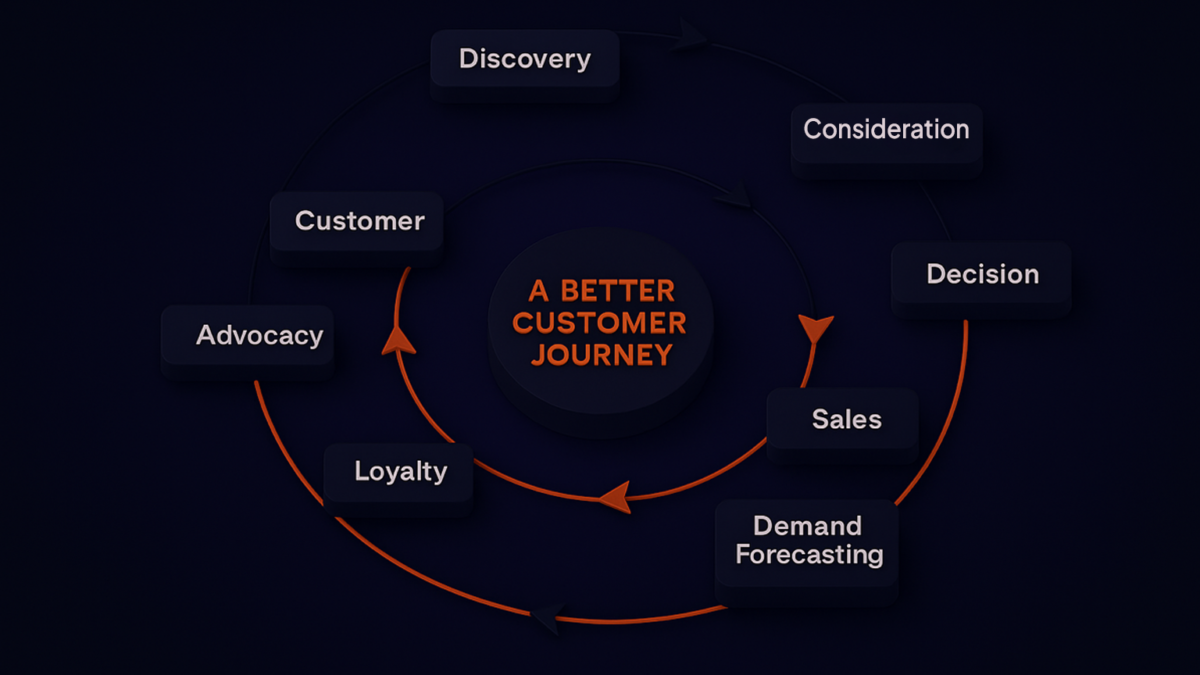
Implement AI-Driven Customer Journey Mapping
-
Deploy advanced journey analytics tools like Contentsquare or FullStory that use AI to automatically identify user flows and pain points.
-
Configure them to capture all user interactions including mouse movements, hesitations, and error patterns across your digital properties.
-
Implement machine learning models that cluster similar customer journeys and identify statistically significant patterns leading to conversion or abandonment.
-
Train these models on at least 6 months of historical data to detect complex multi-touch patterns that human analysis would miss.
-
Create real-time journey visualization dashboards that highlight unexpected pathway deviations and emerging behavior trends.
-
Set up automated alerts for newly detected friction points that impact more than 5% of visitors or reduce conversion probability by more than 10%.
Priority 2: Advanced Marketing Intelligence
Your marketing systems need to move beyond basic analytics to predictive intelligence that makes autonomous optimization decisions.
Exactly What To Do:
2.1
Implement Predictive Campaign Optimization
Simple Implementation Steps:
-
Deploy automated testing platforms like Optimizely or VWO with multi-armed bandit algorithms that dynamically allocate traffic to better-performing variations.
-
Configure them to test 5+ variations simultaneously with minimal traffic loss during testing phases.
-
Create rules-based budget allocation systems that automatically shift spending to higher-performing channels, creatives, and audiences.
-
Set up daily budget reallocation rules that move 5-15% of spend from underperforming segments to top performers based on real-time performance data.
-
Implement AI content analysis tools like Pattern89 or Phrasee that identify specific creative elements driving performance.
-
Train these systems to recognize which headlines, visuals, CTAs, and messaging components consistently outperform across channels for your specific audience segments.

2.2
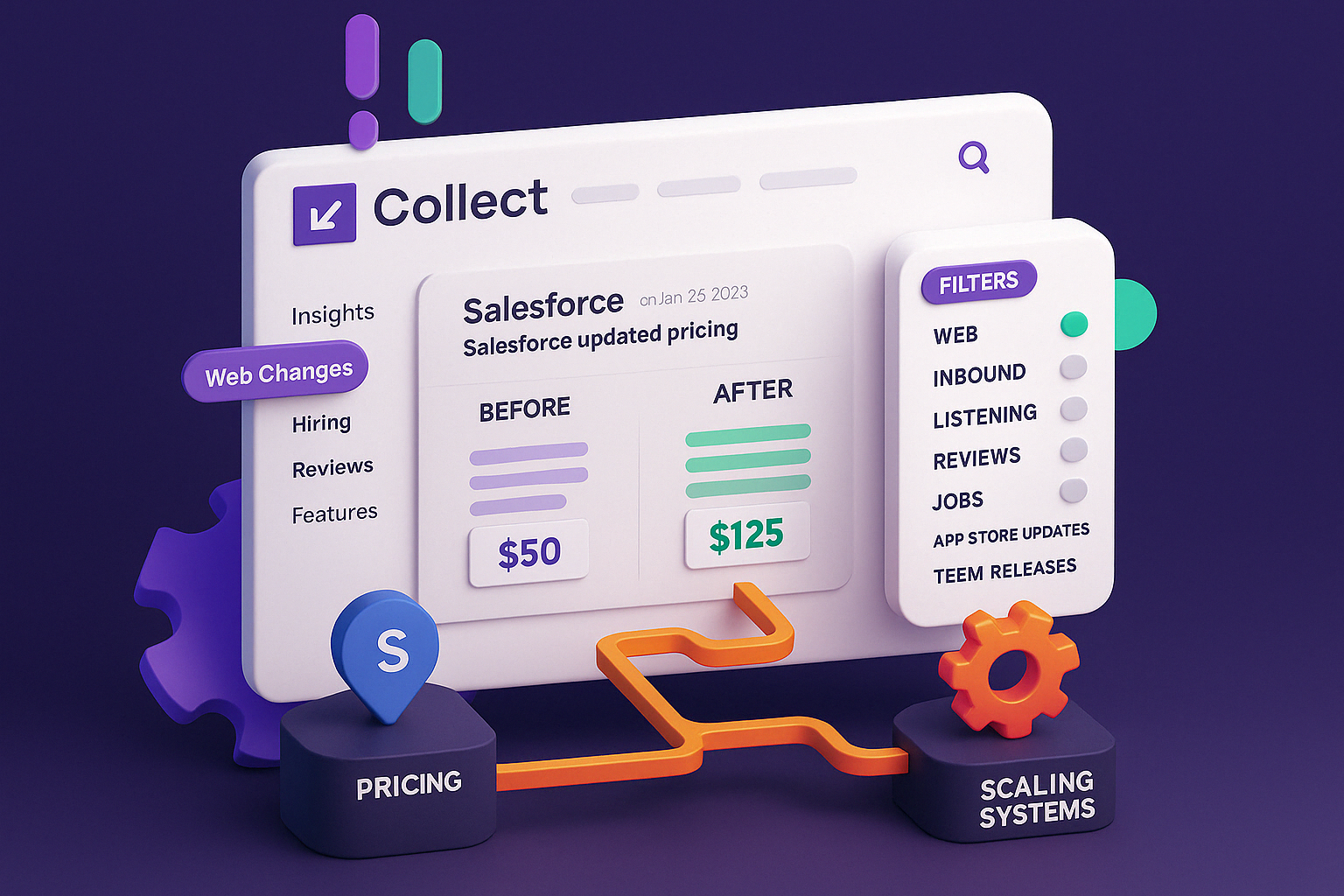
Deploy Competitive Intelligence Monitoring
Simple Implementation Steps:
- Use tools like Crayon or Kompyte to track competitor digital changes across websites, pricing, messaging, SEO strategy, and social presence.
- Configure daily scans of 15-20 key competitors with visual difference detection that highlights substantive changes rather than minor updates.
- Set up automated alerts for significant competitor changes, including new service offerings, positioning shifts, or team changes.
- Create a standardized response protocol with specific playbooks for different competitive scenarios.
- Develop templated response plans with pre-approved messaging, pricing adjustments, and promotional tactics that can be deployed within 48 hours.
2.3
Implement Advanced Attribution & Mix Modeling
Simple Implementation Steps:
-
Deploy algorithmic attribution modeling using tools like ChannelMix or Windsor.ai that integrate data from all marketing touchpoints.
-
Implement a multi-touch attribution model that assigns appropriate credit to each touchpoint in the customer journey based on their incremental impact on conversion probability.
-
Create interactive dashboards for budget allocation impact that simulate different spending scenarios.
-
Build “what-if” models that predict the likely outcome of shifting budget between channels, campaigns, or audience segments based on historical performance data and statistical modeling.
-
Combine attribution insights with marketing mix modeling to understand both tactical and strategic impact.
-
Use tools like Neustar or Nielsen that blend bottom-up attribution data with top-down market mix analysis to identify both immediate performance opportunities and long-term brand building effects.

2.4
Deploy AI-Powered Market Trend Prediction
Simple Implementation Steps:
-
Implement natural language processing tools like Brandwatch or Sprinklr that monitor online conversations across forums, social media, news, and review sites.
-
Configure them to detect statistically significant changes in topic volume, sentiment, and language patterns related to your industry.
-
Deploy machine learning models that analyze search trend data, social engagement patterns, and content consumption metrics to identify emerging customer interests.
-
Train these models to distinguish between temporary spikes and sustainable trends by correlating pattern persistence with historical market shifts.
-
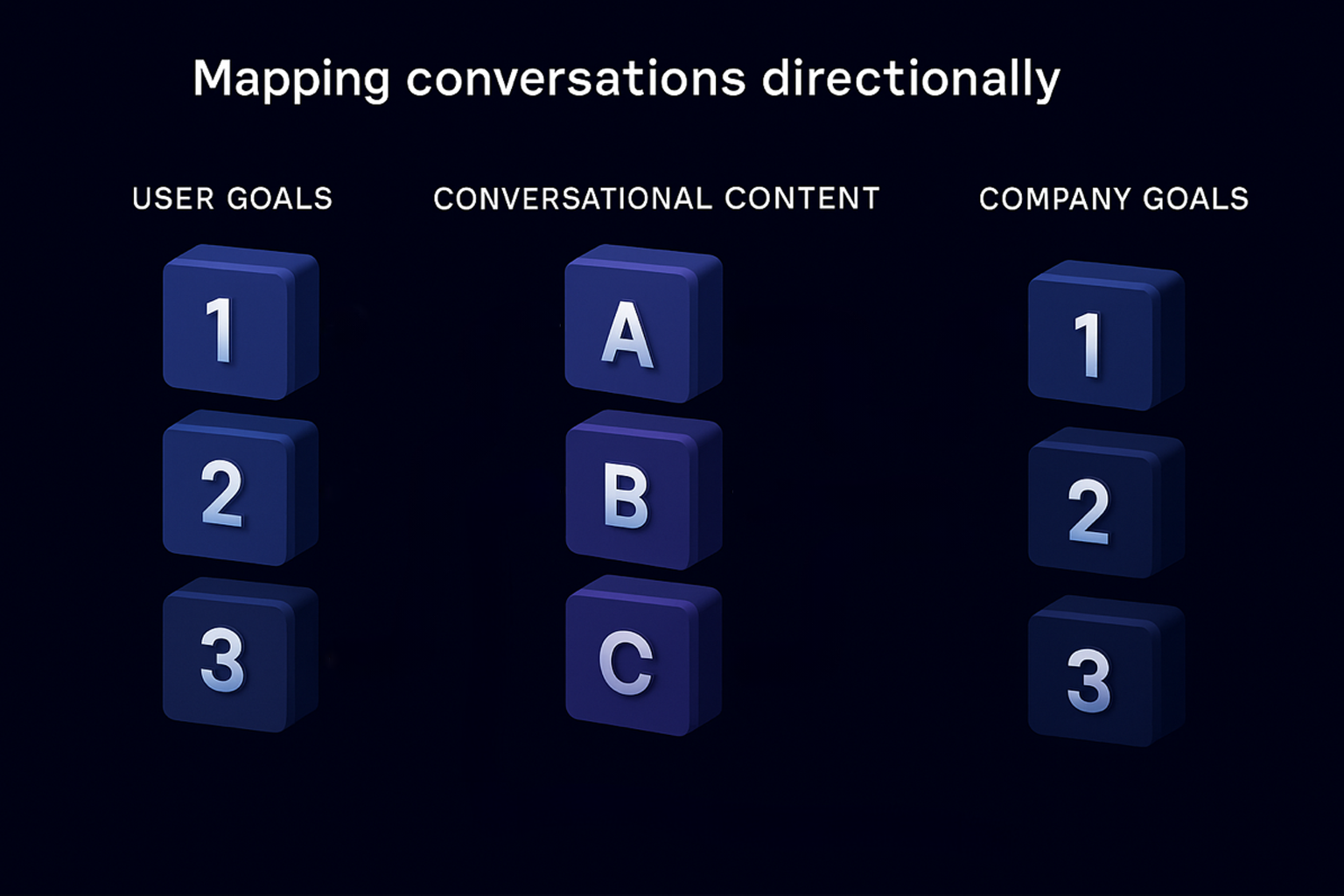
Create predictive market forecast dashboards that combine internal data with external signals to project future demand.
-
Develop automated alert systems that notify stakeholders when identified trends reach predefined thresholds indicating market readiness.
Priority 3: Digital Innovation Leadership
Your market position needs to be cemented through unique digital assets that competitors will struggle to match.
Exactly What To Do:
3.1
Implement Client-Facing Digital Experiences
Simple Implementation Steps:
-
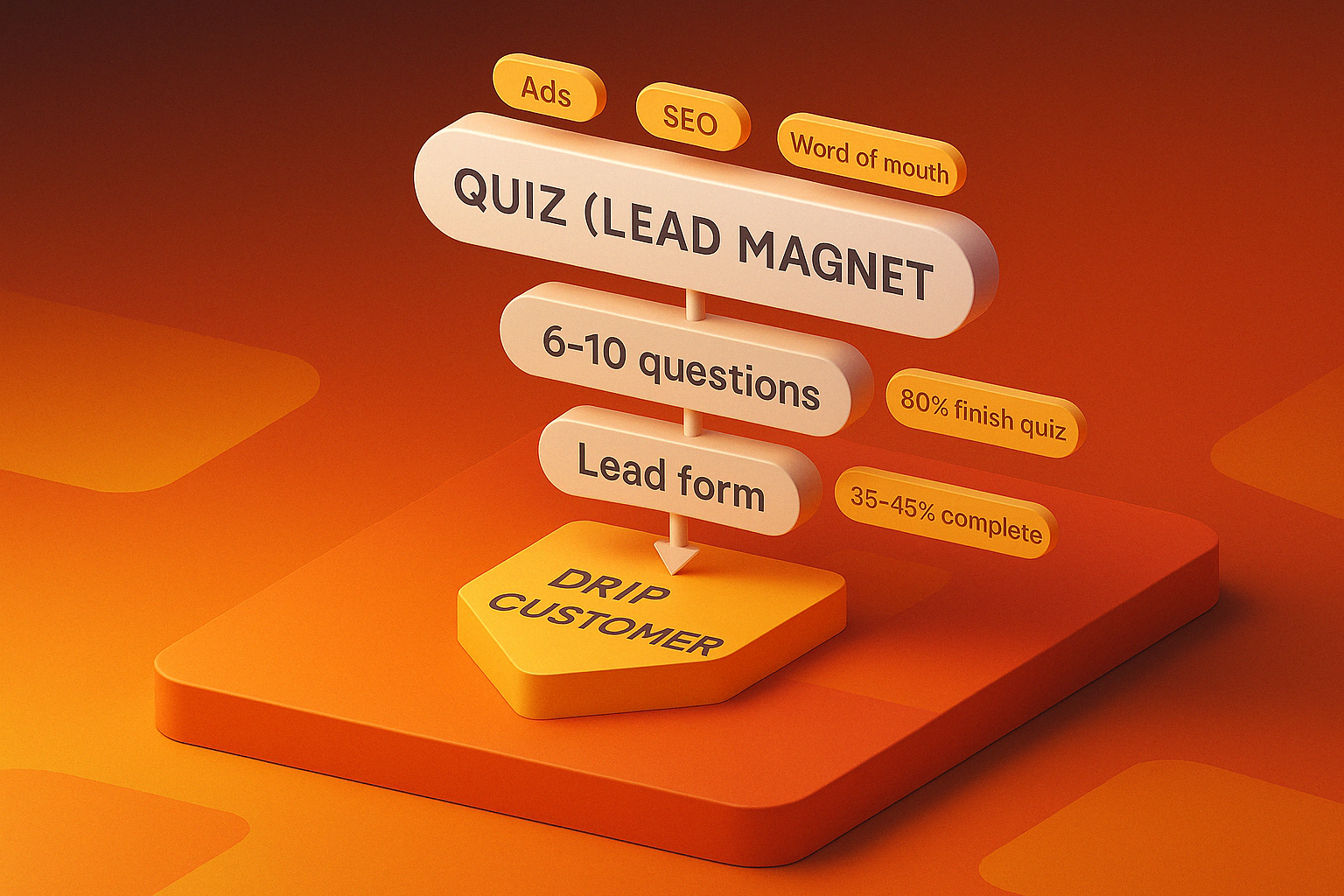
Develop calculators, assessments, or configurators that deliver personalized insights based on user inputs.
-
Create tools that address your customers’ key decision metrics (e.g., ROI calculator, readiness assessment, solution builder) with interactive elements and immediate value delivery.
-
Create diagnostic tools applying your methodology that help prospects self-identify their specific challenges.
-
Design these tools to simultaneously educate users about your proprietary approach while collecting qualifying information that helps personalize follow-up.
-
Implement progressive profiling that enhances user data with each interaction.
-
Configure your tools to remember previous inputs and incrementally collect additional information, creating increasingly personalized experiences while building a comprehensive prospect profile.
3.2
Develop Content Ecosystem Dominance
Simple Implementation Steps:
-
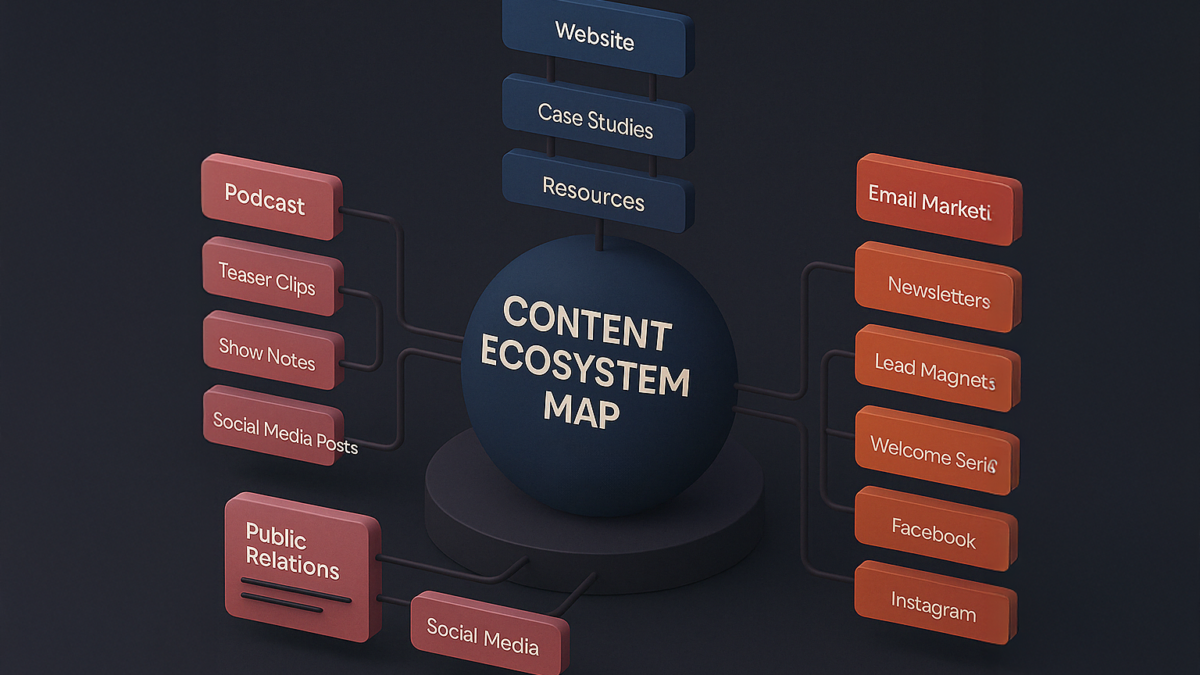
Organize content around your methodology to create a comprehensive knowledge base.
-
Develop a structured content hierarchy with cornerstone content pieces explaining key concepts, supported by specialized articles, practical applications, and case studies that reinforce your unique approach.
-
Build microsites as definitive industry resources that provide the ultimate guide to solving specific problems in your domain.
-
Create interconnected content hubs with multimedia formats (interactive tools, videos, downloadable resources) that establish your brand as the authoritative source.
-
Implement content intelligence systems that track user engagement patterns and automatically recommend related resources.
-
Use tools like PathFactory or Uberflip to create personalized content journeys that progressively build understanding while moving prospects through your sales funnel.
3.3
Implement Emerging Channel Leadership
Simple Implementation Steps:
-
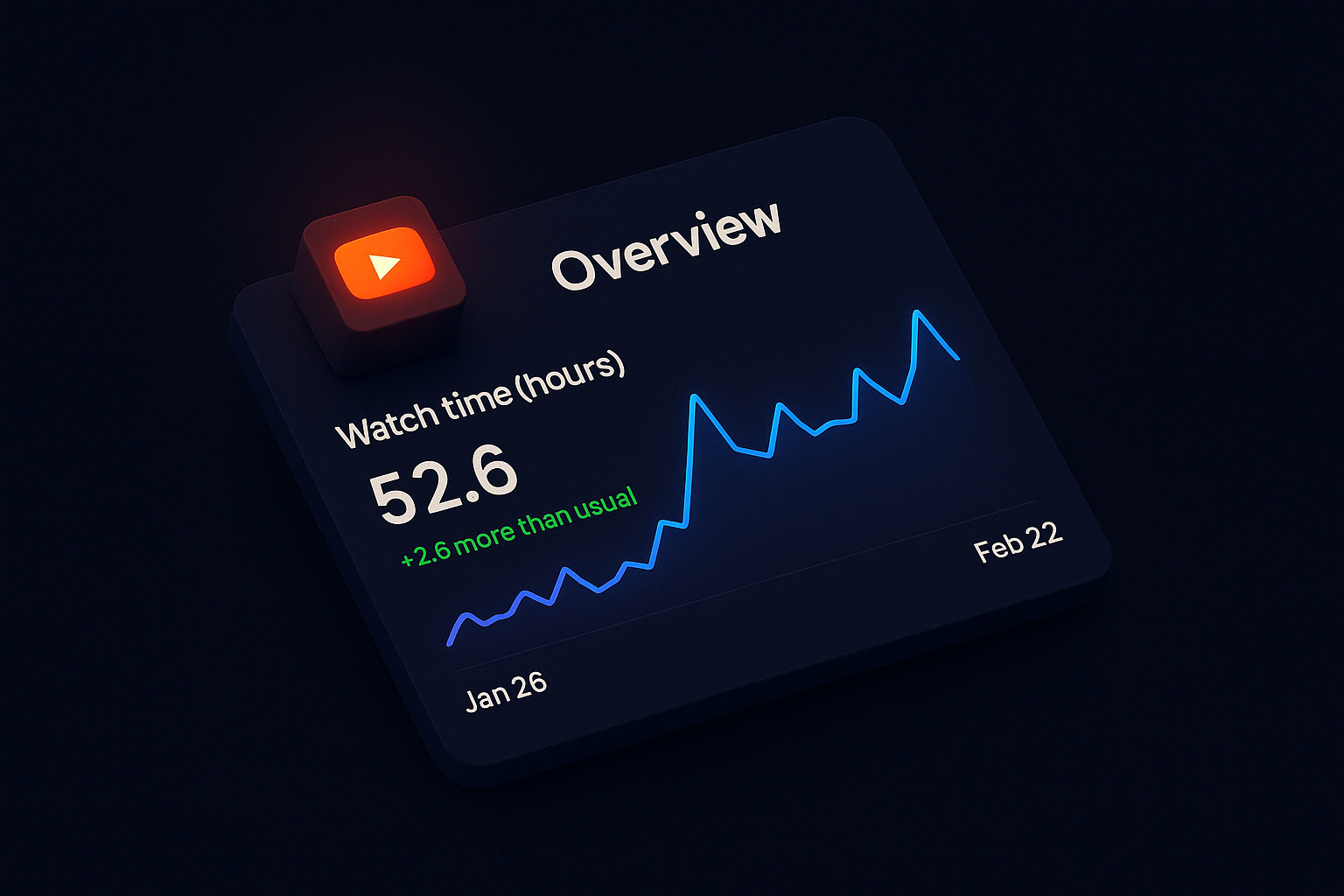
Identify untapped platforms gaining traction with your target audience by analyzing demographic adoption trends and engagement metrics.
-
Focus on channels showing 20%+ year-over-year growth with increasing engagement among your core demographic segments.
-
Develop format-specific expertise for these platforms by creating native content types that align with user expectations.
-
Invest in channel-specific creative capabilities (e.g., short-form video, interactive AR experiences, conversational content) rather than repurposing existing content.
-
Implement rigorous testing and optimization protocols that quickly identify winning approaches.
-
Create a systematic experimentation framework that tests multiple creative variations, engagement strategies, and promotion methods within 30-day sprint cycles.
3.4
Deploy AI-Generated Content Optimization
Simple Implementation Steps
-
Implement AI content optimization tools like Frase, MarketMuse, or Clearscope that analyze top-performing content and provide specific enhancement recommendations.
-
Configure them to analyze both your content and competitor content to identify gaps, improvement opportunities, and differentiation points.
-
Create AI-driven personalization systems that dynamically adjust content based on visitor attributes and behavior patterns.
-
Deploy tools like Dynamic Yield or Optimizely that automatically test and optimize content variations for different audience segments.
-
Develop automated content performance analytics that identify underperforming assets and generate specific improvement recommendations.
-
Set up systems that automatically flag content for optimization when engagement metrics fall below defined thresholds.
Your Roadmap to Sustained Market Leadership
Complete these specific actions to cement your dominant market position:
Orchestrate Transformational Experiences
Actions:
- Implement a customer data platform like Segment to unify data across all marketing and service touchpoints.
- Document and launch your distinctive service methodology with trademarked naming conventions.
- Deploy client health scoring using tools like Custify or ClientSuccess to predict and prevent potential issues.
Expected Outcomes:
- Seamless client experience across all channels that competitors cannot easily replicate.
- Distinctive, branded approach that prevents direct service comparisons and justifies premium pricing.
- Proactive issue prevention system that resolves 70% of potential problems before clients notice them.
Key Performance Indicators:
- 25%+ improvement in cross-channel conversion metrics (specifically form completions and consultation bookings).
- 50%+ increase in premium service tier adoption through decreased price sensitivity.
- 30%+ increase in client retention and referral rates through proactive success management.
Enhance Marketing Intelligence
Actions:
- Implement automated campaign optimization using tools like Optimize or Adalysis that adjust spend based on performance.
- Deploy competitive monitoring with Crayon or Kompyte focused on your top 5 competitors’ digital presence.
- Implement advanced attribution in GA4 or dedicated platforms that properly values all marketing touchpoints.
Expected Outcomes:
- Marketing budget that automatically shifts to highest-performing channels without manual intervention.
- Early alert system for competitor moves with specific response protocols for different scenarios.
- Precise understanding of which marketing investments truly drive revenue versus those that appear effective.
Key Performance Indicators:
- 35%+ improvement in marketing ROI through automated optimization and reallocation.
- Documented early response to at least 3 market shifts before they impact your business.
- 50%+ of marketing investments directly tied to revenue impact rather than proxy metrics.
Establish Innovation Leadership
Why this is your third priority: Generic contact forms convert at 1-3%, while interactive assessments convert at 20-40% while positioning you as the category authority.
Actions:
- Launch at least one interactive tool (assessment, calculator, or configurator) that delivers immediate value to prospects.
- Develop a comprehensive content ecosystem around your proprietary methodology with dedicated resources for each component.
- Establish early leadership on 2-3 emerging platforms where competitors have limited presence.
Expected Outcomes:
- Interactive experiences that convert at 5-10x the rate of traditional lead generation methods.
- Content dominance that positions you as the definitive authority in your category.
- Cost-effective audience development on emerging platforms before competition intensifies.
Key Performance Indicators:
- 100%+ increase in interactive tool engagement compared to traditional form conversions.
- 75%+ increase in organic traffic and leads from your methodological content hub.
- Established presence on 2-3 emerging platforms with at least 30% share of voice in your category.
Recommended Solution
ELITE Scaling Systems Package
$42,950 Value
$9750
$5,900 Total Bonus Value
No obligation. 30-minute consultation to discuss your custom implementation plan.
Trusted by Successful Founders
Ready to Transform
Your Digital Presence?
Schedule your free strategy session to discuss your custom implementation plan.